
Tips for Measuring Your Safety Culture

It’s been a while since I posted a blog about safety. To peak my motivation for writing one, I reflected on some previous posts to see if they have made an impact on our current culture. That is hard to measure.
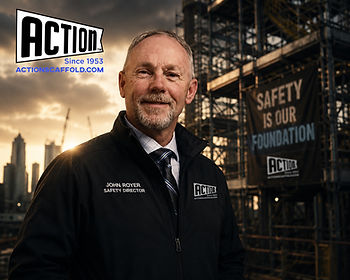
Culture defined, is a set of shared attitudes, values and goals by a group or community.
Determining if everyone on the team is completely aligned is most likely hard to say. The team may share many or most of the same ideas, thoughts, or beliefs, but that certainly does not mean they share everything.
Dedicated safety professionals strive to create and maintain a positive outlook and work environment based on everyone working safely. So why is it that many of us safety professionals are not satisfied with our results? Are you one of them? At times, I know I am.
A month or so ago, I was asked to be on a panel where the topic of discussion was on safety culture. I was one of three panelists that were asked questions about how successful safety cultures are created and sustained, and I wanted to share the responses I provided to the specific questions that were directed to me in the hopes that you may be able to apply a different perspective or technique to improve your culture.
1. How do I personally demonstrate that safety is a core value – not just a priority – within my company?
It is evident that safety is a core value and belief when you ensure that it is never a trade-off for meeting a deadline. This is why all new hires and returning employees are required to take New Hire Orientation training that is Instructor-led prior to performing any work. Success in our company is not measured in how many feet of scaffolds we build, but by our ability to send everyone home safe at the end of the day. I will be the first person to sign off on a job delay if there is a conflict with the job being done safely.
2. When production pressures conflict with safety, how do leaders in my company make decisions – and how is that communicated to the field?
Safety is a foundation cornerstone of our business, not an obstacle to it. I emphasize doing things the “right way” as opposed to getting them done “right now”. This is the reason that all employees have STOP WORK AUTHORITY backed by senior leadership. When Stop Work has been initiated, it is publicly supported and shared with everyone.
3. What does it take to create an environment where workers feel comfortable speaking up, stopping work, or reporting incidents without fear of retaliation?
All Stop Work actions must be treated as a success and not a delay. The safety team must follow up with all Stop Work actions and communicate the findings of our investigation with the team. This closes the loop and shows everyone how their feedback and input directly led to a safer outcome. Reporting is no longer viewed as a chore; it is professional pride.
4. What safety initiatives or training methods have I found that change behavior and not just check the compliance box?
Training employees boils down to what you influence and not what is taught. Teach and learn are not the same thing. Teaching compliance issues is about meeting a standard or regulation. Influencing behavior is about creating safe working practices. Using our 3-2-1 summary after each training session allows the instructor to evaluate the key elements that the trainees took from the course and provides the instructor with being able to list any other key elements that were covered.
3 - Three things that they learned from the training session
2 - Two things that they found interesting (separate from what they learned)
1 - One thing they can implement immediately
5. Lastly, If I could offer one piece of advice to those trying to strengthen their safety culture in 2026, what would it be?
The “compliance-only” approach to safety is obsolete in today’s climate. The construction industry is facing more complex project demands and a shifting workforce. We must move on from monitoring compliance and shift towards facilitating competence.
There is a gap between “knowing the rules” and “executing the work” and this is where all incidents happen. My one piece of advice to the industry was for everyone to treat their safety training budget as their most important R & D investment. Talk to their employees about what is working well and what isn’t. Providing elite technical training allows your employees to be confident in identifying hazards in the workplace and reporting them promptly. In my opinion, the safest companies are the ones that do not treat safety as a department, but as the primary indicator of operational excellence.
The audience was also allowed to ask the panel some questions and one of the questions that was directed at me was:
How does our company handle disciplinary measures?
Our employee handbook and new hire training clearly outline our procedures for workplace behavior and safety infractions. It is imperative that these outlined procedures are always followed with no exceptions. Employees must understand that the rules apply to everyone equally, including management.
In closing, I would like to say that while measuring the culture can be extremely difficult with larger companies, there are ways to know if you are still heading in the right direction. As a safety professional, you are most likely never going to be satisfied with where things are at, because we all know that incidents are still going to occur and a gap will be identified that needs to be closed.
Train all new hires and inexperienced workers prior to beginning work.
Encourage all workers to report near misses, incidents, and injuries.
Investigate every incident to identify how, what, when, where, and why it happened and share the learnings with the team.
Celebrate employee involvement in the safety program.
Enforce the rules and policies outlined in your program equally across the company. Senior leaders must be held to the same accountability as everyone.
There are many more suggestions that could be listed here, but if you are at least doing all of these, then you know your culture is heading in the right direction. Lastly, as a safety professional or a company, I think we all know that there is always room for improvement.


Comments